
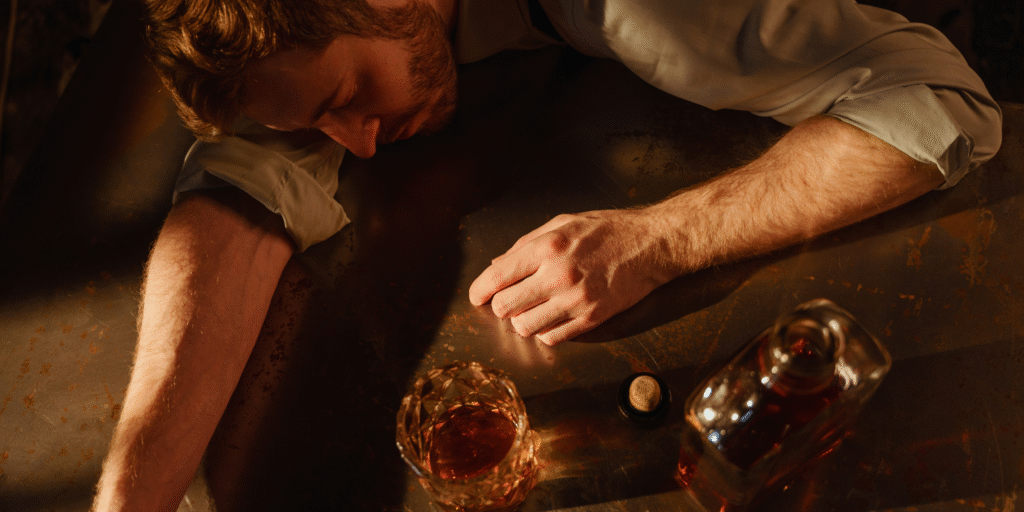
Addiction doesn’t walk into a person’s life loudly.
It slips in silently—one “just today”, one “friends insisted”, one “stress ka time hai” at a time…
Until one day, the person looks in the mirror and no longer recognizes who they are.
But here’s the beautiful truth:
The same mind that got caught in addiction can break out of it.
And medicines—herbal and clinical—can act like a torchlight in that dark tunnel, guiding the way toward a healthier, freer life.
This creatively written guide explores the best Nasha Mukti dawa options in a way that feels human, hopeful, and deeply relatable.
Because de-addiction is not just a process.
It is a story of becoming new again.

🌱 Part 1: Herbal Nasha Mukti Dawa – Nature’s Gentle Healing (Creative Take)
Imagine nature as an old friend.
One who listens quietly, heals slowly, and never judges.
Herbal medicines don’t promise miracles.
They promise support—calmness, balance, detox, emotional stability.
And when someone is fighting addiction, these things matter more than we realize.
Below are the most trusted herbal options, explained creatively yet clearly.
1. Giloy – The Detox Warrior
Giloy feels like that friend who says,
“Chal, naya shuru karte hain.”
Known in Ayurveda as Amrita (the nectar of immortality), it supports:
- cleansing the body from years of toxin buildup
- stabilizing immunity
- reducing stress chemicals
This is why many herbal Nasha Mukti formulas begin with Giloy.
2. Ashwagandha – The Stress Shield
If stress was an enemy, Ashwagandha would be a warrior monk.
It doesn’t attack stress;
it calms the mind so deeply that stress loses control.
Benefits include:
- emotional balance
- reduced anxiety
- improved sleep
Perfect for people who feel restless in early recovery.
3. Brahmi – The Mind Restorer
Brahmi is like a soft breeze after a storm.
Addiction fogs the mind, affects memory, and drains mental energy.
Brahmi helps sharpen focus, improve clarity, and reduce mental exhaustion.
It has been used for centuries to support cognitive stability.
4. Shankhpushpi – The Calm Creator
When withdrawal brings mood swings, irritation, and sadness,
Shankhpushpi whispers, “Slow down. Breathe.”
Its primary strength is emotional grounding.
It helps steady the mind in times of turbulence.
5. Triphala – The Body Cleanser
Triphala is like the broom of Ayurveda.
It gently flushes out toxins, supports digestion, and refreshes the system—
something every recovering body desperately needs.
6. Mulethi – The Soothing Root
Mulethi has a gentle personality.
It relaxes the nervous system, reduces irritability, and promotes calmness.
A perfect companion during those “I can’t handle this” moments.
🌿 Herbal Nasha Mukti Formulas (Not Brands — Just the Concept)
Modern herbal Nasha Mukti medicines usually combine:
- Giloy
- Ashwagandha
- Brahmi
- Shankhpushpi
- Triphala
- Neem
- Vidarikand
- Mulethi
These blends aim to:
- support natural detox
- reduce cravings
- improve mood
- strengthen the liver
- promote sleep
They don’t replace medical treatment,
but they make the journey smoother, softer, and more balanced.
⚕️ Part 2: Clinical Nasha Mukti Medicines – The Scientific Path
If herbal medicines are gentle friends,
clinical medicines are skilled doctors—precise, powerful, and targeted.
These are prescribed only by certified professionals after evaluating:
- the type of addiction
- severity
- medical condition
- withdrawal history
Here’s a creative yet clear breakdown of how clinical options work.
💡 1. For Alcohol Addiction – The Stabilizers
Stopping alcohol suddenly is like slamming brakes at 120 km/h—dangerous and unpredictable.
That’s why doctors use medicines that help the brain slow down safely.
There are 3 major categories:
a) Craving Reducers
These medicines tell the brain:
“Relax. You don’t need alcohol anymore.”
b) Withdrawal Controllers
These prevent the scary symptoms that appear in the first few days.
c) Aversion Therapy Medicines (Under Supervision Only)
These create an intense dislike toward alcohol.
Doctors monitor their usage carefully.
🚭 2. For Nicotine Addiction – The Urge Breakers
Nicotine is a master manipulator.
Its cravings are fast, sharp, and frequent.
Doctors often use:
- nicotine replacements
- craving blockers
- behavioural therapy combinations
These slowly retrain the mind to live smoke-free.
💊 3. For Drug Addiction – The Brain Balancers
Drug addiction affects the deepest parts of the brain.
Treatment depends entirely on the substance and condition of the person.
Doctors may prescribe medicines that:
- stabilize brain chemistry
- manage withdrawal
- reduce cravings
- prevent relapse
These treatments are usually done in Nasha Mukti Kendras or hospitals because supervision is crucial.
🔍 Part 3: Herbal vs Clinical — Which Is Better? (Creative Comparison)
Think of recovery as a journey through a forest.
Clinical medicines = Roadmaps + safety gear.
They keep you alive, stable, and on the right path when the forest is dense.
Herbal medicines = Water + fresh air.
They keep your energy steady, mind calm, and body supported.
Together?
They make the journey healthier, smoother, and more achievable.
🧭 Part 4: How to Choose the Right Nasha Mukti Dawa (Creative Framework)
Here’s a simple, practical, human-friendly way to choose:
🎯 Step 1: Identify the Level
- Mild addiction → Herbal support + counselling
- Moderate → Herbal + doctor-guided medicines
- Severe → Rehabilitation centre + clinical treatment
💗 Step 2: Respect the Body
Check for:
- liver issues
- mental health conditions
- existing medication
🔖 Step 3: Look for Certification
For herbal formulas:
- AYUSH certification
- clean ingredient list
- transparent manufacturing
🚫 Step 4: Avoid “instant” cure claims
Real recovery is a slow sunrise, not a light switch.
👨⚕️ Step 5: Ask a professional
Even herbal supplements can interact with health conditions.
🧠 Part 5: Lifestyle Add-Ons That Enhance the Effect of Dawa
Medicines help.
But habits heal.
Here are the lifestyle pillars that support Nasha Mukti dawa:
🌅 1. Morning Routine
Light walking + hydration detoxifies the system.
💬 2. Counselling/Therapy
Because addiction is often emotional before it is physical.
🧘 3. Meditation
Rewires the brain to feel calm without substances.
👨👩👦 4. Family Support
A person who feels understood recovers faster.
🔄 5. No-trigger policy
Avoid friends, places, and situations that led to addiction earlier.
❤️ Part 6: The Power of Guided Recovery
A medicine can save a life.
But guidance can transform it.
Professional help ensures:
- safe detox
- emotional stability
- long-term relapse control
- personalised treatment
This is why modern de-addiction centres combine:
✨ Herbal + Clinical + Counselling + Lifestyle + Community Support
Because no one climbs out of addiction alone.
🌟 Conclusion: Hope Is the Strongest Dawa
Whether herbal or clinical,
whether mild habits or severe dependency —
the goal of every Nasha Mukti dawa is the same:
To give people their life back.
Recovery is not about perfection.
It’s about progress.
One decision at a time.
One day at a time.
One step at a time.
And the moment someone decides:
“Bas. Aaj se nayi zindagi,”
that is the moment healing begins.
Addiction may be powerful.
But you are more powerful.