
The psychology behind risk-taking in gambling behavior
The thrill of uncertainty
Risk-taking in gambling often stems from the inherent thrill of uncertainty. Many individuals are drawn to the unpredictable nature of games, where every spin of a slot machine or roll of dice can lead to significant wins or losses. This anticipation releases dopamine, the chemical responsible for pleasure and reward in the brain. As players experience wins, their excitement builds, encouraging them to take even greater risks to relive that euphoric moment.
Moreover, the psychological concept of ‘loss aversion’ plays a vital role in gambling behavior. Players frequently perceive a potential loss as more painful than the pleasure derived from a win. This leads gamblers to take risks to recover their losses, often prompting them to increase their stakes. The cycle of chasing losses can create an addictive loop, further driving individuals towards risky behaviors in hopes of an eventual payout.
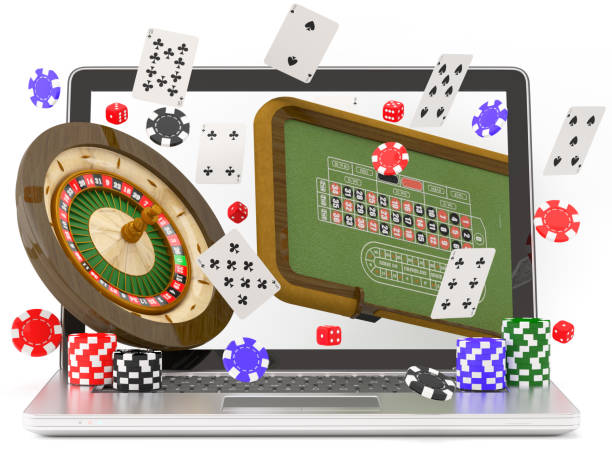
The environment of a casino also amplifies these feelings. Bright lights, loud sounds, and vibrant colors are designed to engage players’ senses, fostering an atmosphere that encourages excitement and risk-taking. Gamblers may find themselves caught in the moment, where the allure of potential rewards outweighs logical reasoning and self-control, leading to impulsive decisions.
Various personality traits significantly influence an individual’s approach to risk-taking in gambling. For instance, individuals who score high on traits like extraversion and openness are generally more likely to engage in risky behavior, including gambling. Their adventurous nature fuels a desire for novel experiences, making the unpredictable nature of gambling particularly appealing.
On the flip side, those with higher levels of conscientiousness and emotional stability tend to exhibit more caution in their gambling behavior. They often take calculated risks, weighing potential outcomes more carefully than their impulsive counterparts. Understanding these personality traits can provide insight into why some individuals are drawn to high-stakes games while others prefer safer bets.
Furthermore, the role of cognitive biases cannot be overlooked. Gamblers often fall victim to the ‘gambler’s fallacy,’ which is the belief that past events can influence future outcomes in random events. This misperception can lead players to make increasingly risky bets based on their flawed reasoning, believing they can predict or control the outcome, which further entrenches them in gambling behavior.
Gambling often occurs in social settings, which can amplify risk-taking behaviors. The presence of peers can encourage individuals to take bigger risks, with a strong desire to impress or fit in with others. Group dynamics can create a sense of camaraderie that makes players more willing to bet larger amounts, sometimes at the expense of their better judgment.
Social reinforcement can also perpetuate gambling behavior. Friends or family who celebrate wins or encourage repeated play can validate an individual’s risky choices, making it more difficult to step back. This social proof can create an environment where individuals feel pressured to take risks to maintain their standing within the group, blurring the line between personal responsibility and group influence.
Moreover, the accessibility of online gambling platforms has made it easier for individuals to engage with risk-taking behaviors in isolation. The anonymity of the internet can embolden players, allowing them to bet higher amounts without immediate social repercussions. However, this can also lead to detrimental consequences, as individuals may spiral into compulsive gambling behaviors without external accountability.
Gambling has profound psychological effects that can perpetuate risk-taking behaviors over time. For some, the initial thrill of winning can develop into a compulsive need to gamble, leading to a cycle of highs and lows that can negatively affect mental health. This cycle is often compounded by feelings of guilt, anxiety, and depression after losses, which can perpetuate a desire to gamble as a means of escape.
Additionally, the concept of ‘near misses’ can further entrench gambling behavior. When players come close to winning, their brains may interpret this as a sign that they are “due” for a win. This misinterpretation can lead to increased risk-taking as players believe they are on the verge of a breakthrough, leading them to invest more time and money into gambling.
The emotional rollercoaster of gambling can have lasting impacts on relationships and personal well-being. As individuals prioritize gambling over other aspects of life, such as family and work, they may face significant personal and social consequences. Addressing these psychological impacts is crucial for those who seek to understand their gambling behavior and ultimately reduce their risk-taking tendencies.
Exploring BetScore Casino
In the ever-evolving landscape of online gaming, Casino stands out by providing a secure and enjoyable gaming environment. With a diverse selection of games, including pokies, table games, and live dealer options, it caters to both new and experienced players. By offering engaging gameplay combined with a user-friendly interface, Casino allows players to immerse themselves in a thrilling gaming experience.
Furthermore, Casino prioritizes player safety, ensuring fast payouts and transparent practices. This commitment to security helps to alleviate some of the psychological stressors associated with gambling, allowing players to enjoy their experience without unnecessary anxiety. The site also features generous welcome bonuses and ongoing promotions, which can serve as incentives for new players to explore different games without feeling overwhelmed.
Ultimately, understanding the psychology behind risk-taking in gambling behavior is crucial, especially in environments like Casino. By fostering a balanced approach to gaming, players can enjoy the thrill of risk while being mindful of their choices, ensuring that their experience remains fun and rewarding rather than detrimental to their well-being.